Skip to content
New York · A science journal

Seven million years of becoming us.

Fossils in desert sand, footprints in volcanic ash, stone tools, cave paintings and DNA from bone dust. We tell the story of human evolution clearly, carefully and with all its arguments left in.

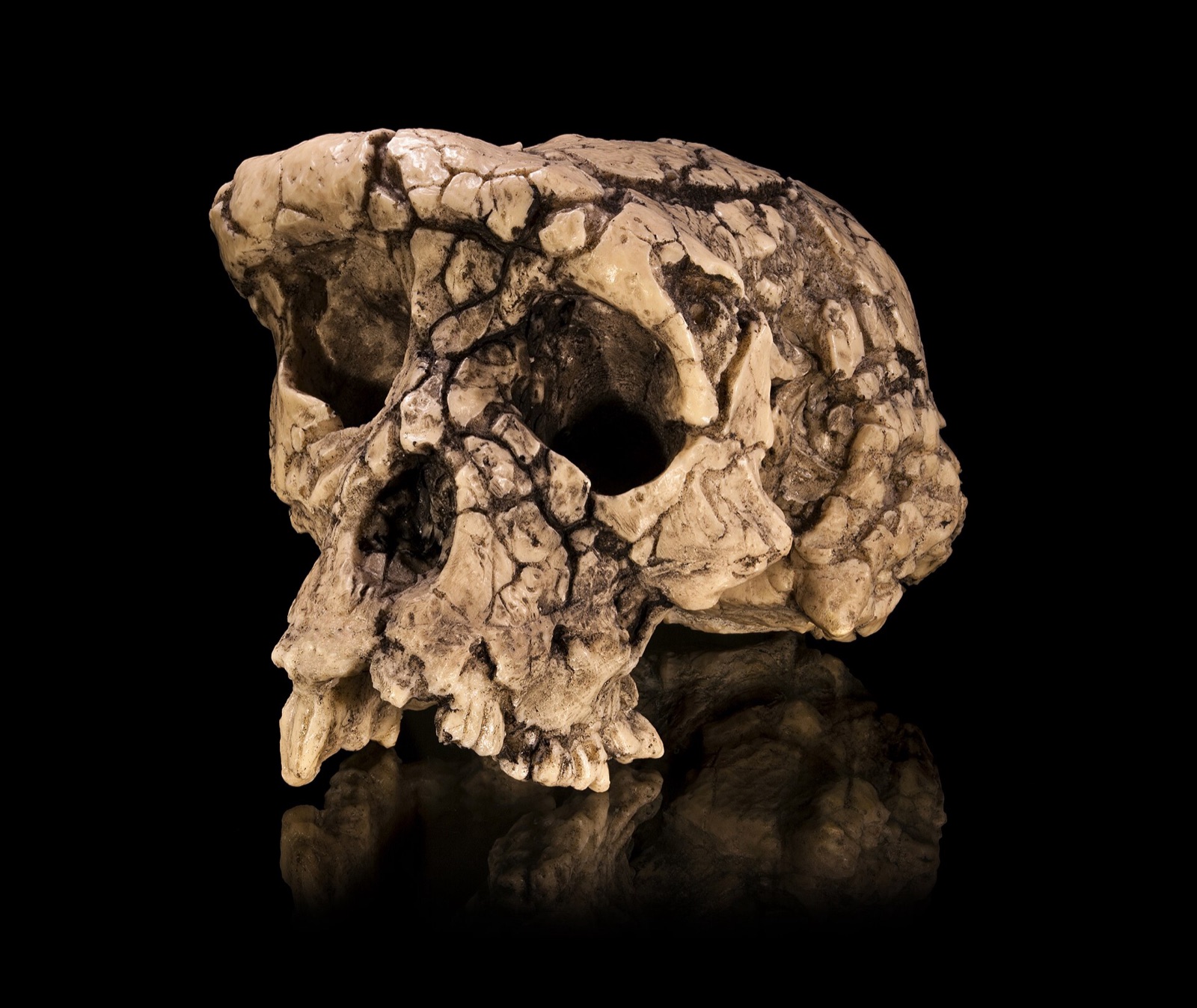
7 MaToumaï, possibly the oldest hominin
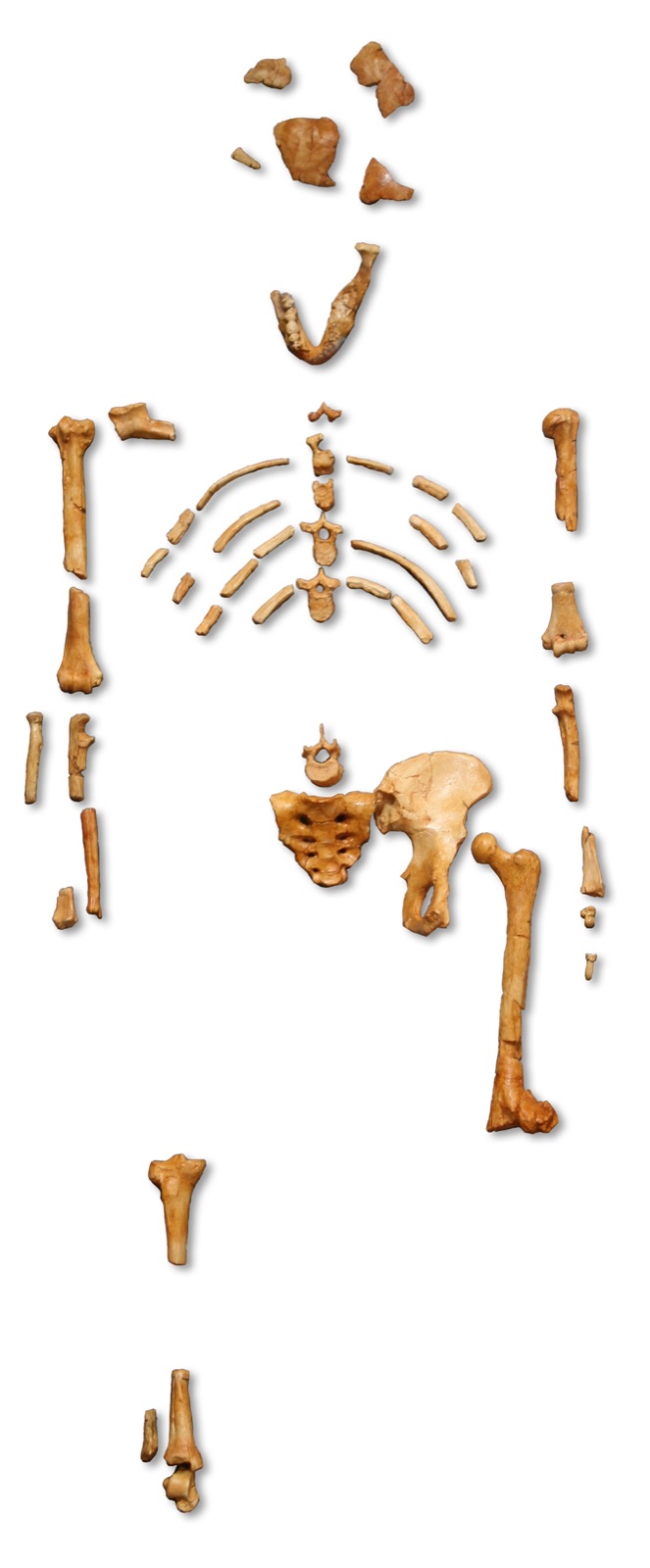
3.2 MaLucy walks the Afar
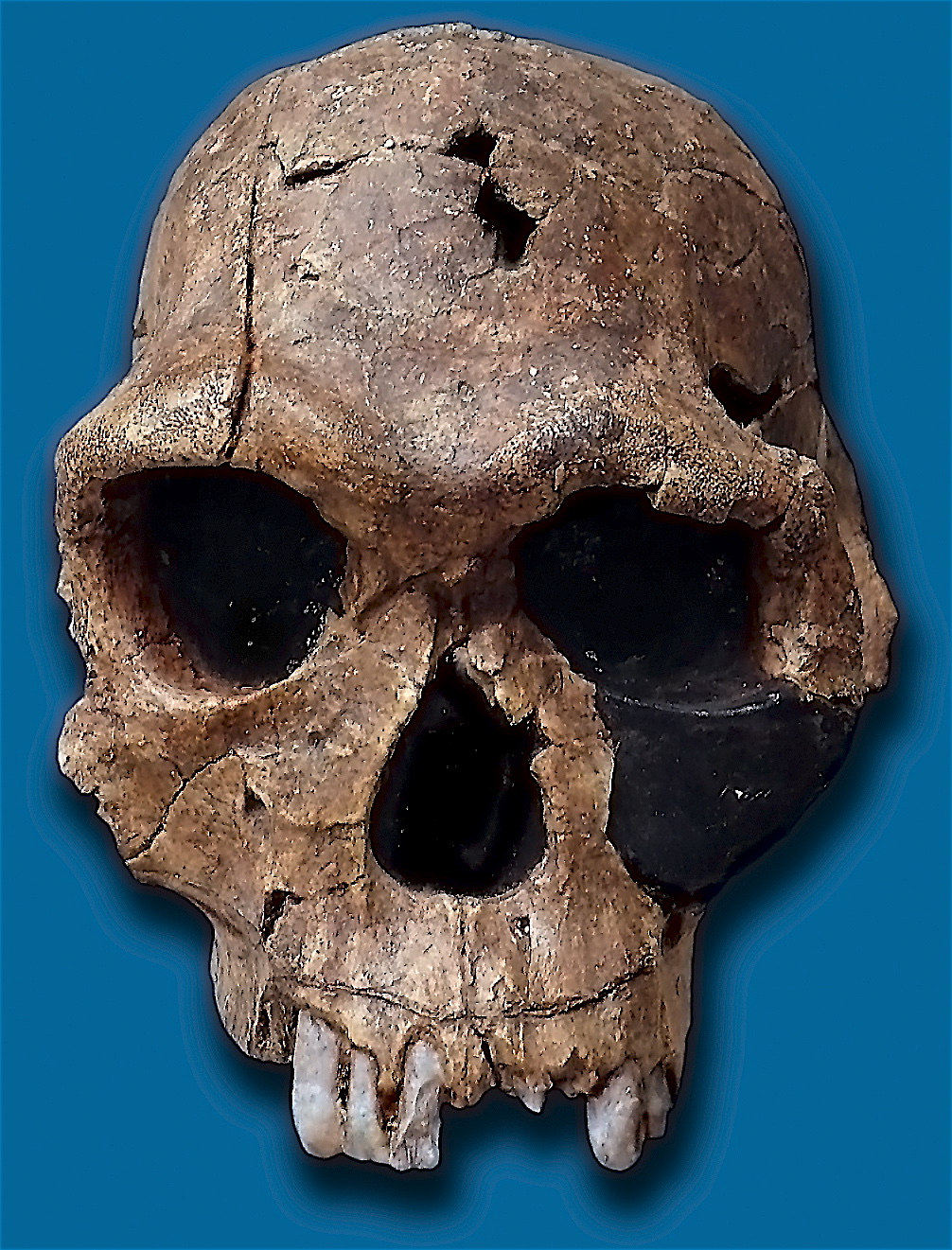
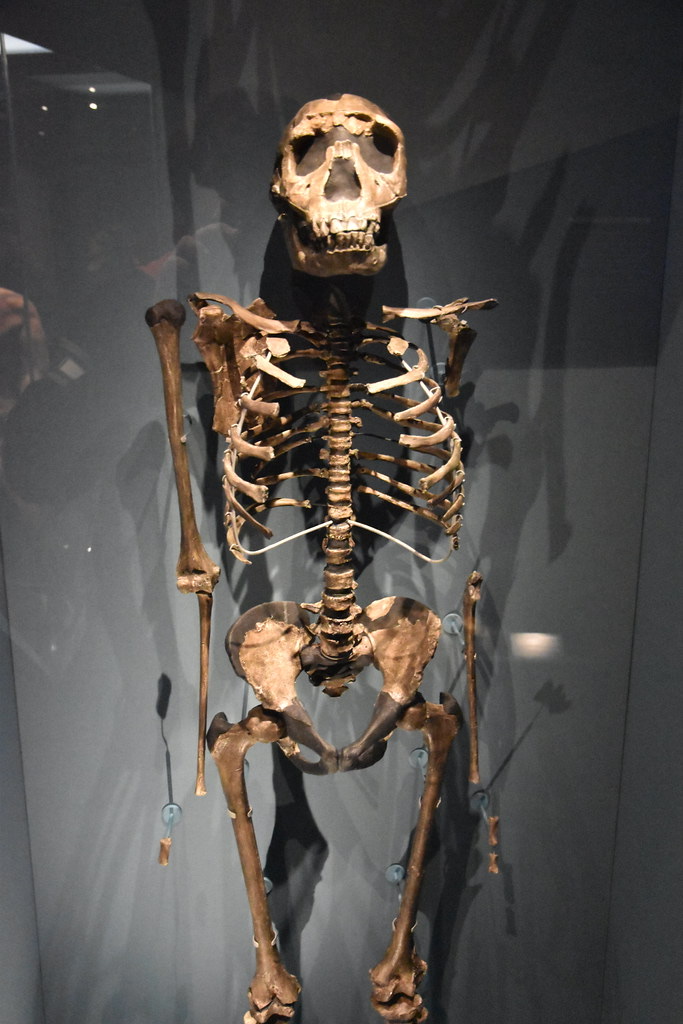
20+Hominin species named so far
2%Neanderthal DNA in many people today
The journal

Eight posts, from the first step to the lab

Long, careful reads in rough time order, from seven million years ago to the DNA labs of today.

All eight posts

Four big ideas

What the evidence keeps telling us

The details change with every discovery. These four ideas have stood up remarkably well.

We stood up first

Walking on two legs came millions of years before big brains or stone tools.

Africa is home

Almost every major step in our story began in Africa, including our own species.

It's a bush

For most of history, several kinds of human lived at the same time.

We mixed

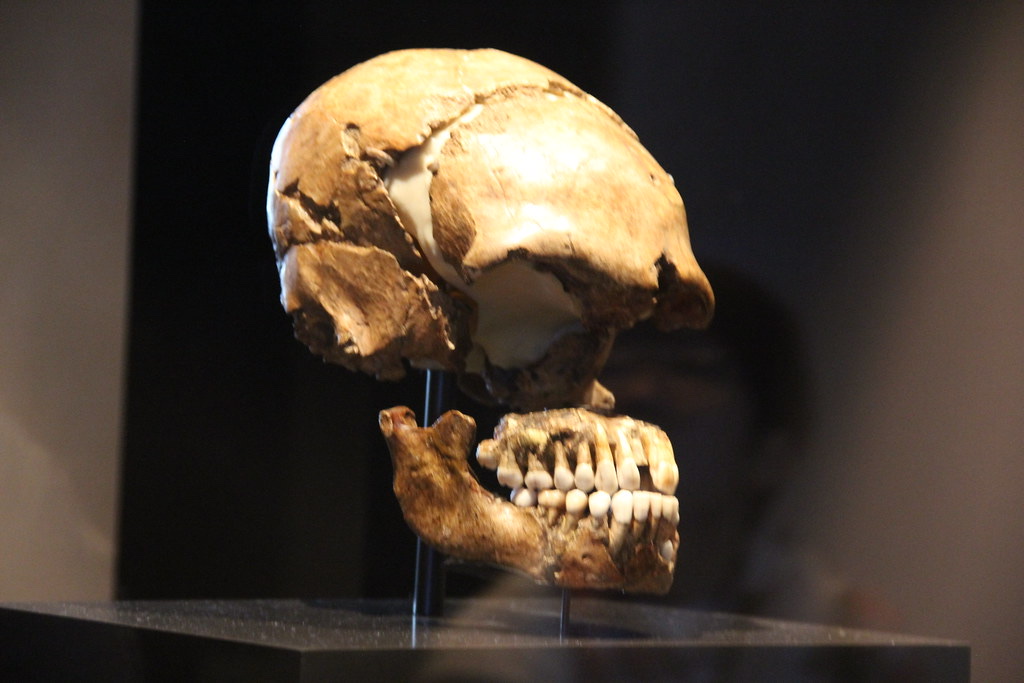
Our ancestors had children with Neanderthals and Denisovans. Their DNA is in us.

Reconstruction of the skeleton of Lucy, Australopithecus afarensis
AL 288-1 "Lucy," Australopithecus afarensis, c. 3.2 million years old. Found 24 November 1974.
Why we write

The most important family history there is

We're a small group of writers, teachers and science fans in New York who spend too many Saturdays in the Hall of Human Origins at the American Museum of Natural History. We noticed that the latest research rarely reaches people in a form that's both accurate and enjoyable.

So we read the papers, follow the debates and explain what's known, what's guessed and what's still being argued over, without the hype and without the old "missing link" clichés.

About the journal
"Light will be thrown on the origin of man and his history."
Charles Darwin, On the Origin of Species, 1859, his only hint about human evolution in that book
Keep digging

News, a timeline and a quiz

Interactive

Species Explorer

Twenty hominin species on one timeline. See who lived when, and who lived alongside whom.

Explore
↑